Introduction to PM Modi’s China Visit
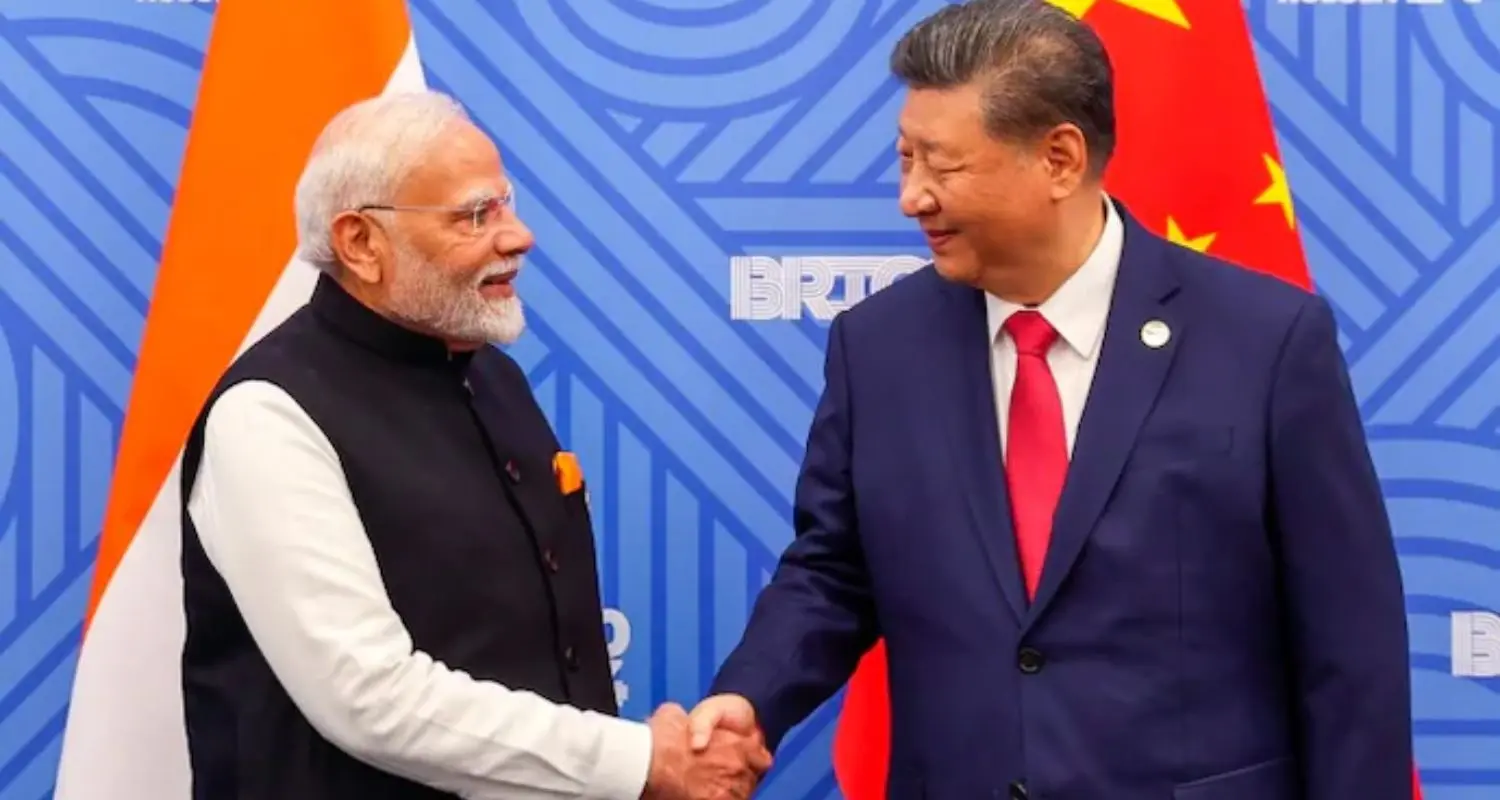
In a significant diplomatic move, Indian Prime Minister Narendra Modi is set to visit China for the first time in over seven years, attending the Shanghai Cooperation Organisation (SCO) summit in Tianjin from August 31 to September 1, 2025. This visit marks a pivotal moment in India-China relations, as it signals a thaw in bilateral ties strained since the 2020 Galwan Valley clash. The trip also comes at a time when India’s relations with the United States face challenges due to trade disputes and geopolitical shifts. This article explores the context, implications, and strategic significance of PM Modi’s China visit, with a focus on fostering India-China diplomacy.
Why PM Modi’s China Visit Matters
The visit to China, the first since June 2018, is a bold step toward rebuilding trust and cooperation between the two Asian giants. The focus key, India-China diplomacy, underscores the importance of this engagement in navigating regional and global complexities. Here are key reasons why this visit is significant:
- Diplomatic Thaw: After years of tension following the 2020 border clash, recent talks between Modi and Chinese President Xi Jinping at the BRICS summit in Russia have paved the way for improved relations.
- Geopolitical Strategy: With rising tensions with the US, particularly over trade tariffs and India’s oil purchases from Russia, India is strengthening ties with China to balance its global stance.
- Regional Cooperation: The SCO summit provides a platform to discuss critical issues like terrorism, trade, and regional stability, reinforcing India-China diplomacy.
Context of India-China Relations
India and China have a complex relationship marked by historical border disputes and economic competition. The 2020 Galwan clash, which resulted in casualties on both sides, significantly strained ties. However, recent diplomatic efforts, including meetings between Indian and Chinese officials, have focused on de-escalation and restoring normalcy. PM Modi’s China visit in 2025 is a continuation of these efforts, emphasizing dialogue over discord. The focus on India-China diplomacy is evident in steps like resuming travel links, business visas, and cultural exchanges, which are crucial for long-term stability.
Key Milestones Leading to the Visit
- 2018 Wuhan Summit: Modi and Xi’s informal meeting laid the groundwork for cooperative dialogue.
- 2024 BRICS Summit: Talks in Russia signaled a willingness to move past border tensions.
- 2025 SCO Summit: Modi’s visit to Tianjin is a strategic move to strengthen India-China diplomacy within a multilateral framework.
US-India Tensions and Their Role
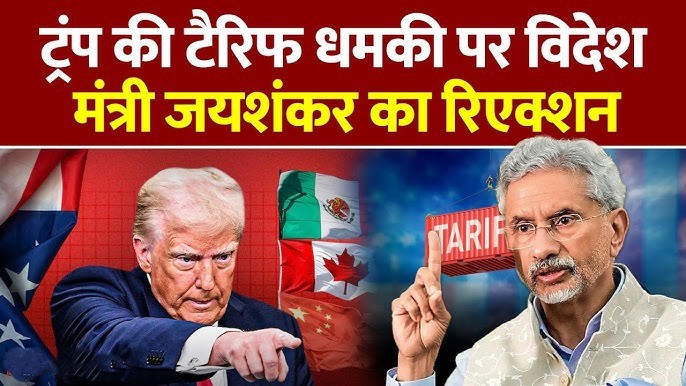
US President Donald Trump’s imposition of high tariffs on Indian goods and threats of further penalties for India’s Russian oil purchases have strained US-India relations. This has prompted India to explore closer ties with China and other SCO members like Russia. The focus on India-China diplomacy is a strategic counterbalance to these challenges, allowing India to diversify its global partnerships.
Impact of US Tariffs
- Economic Pressure: India faces a potential $64 billion export hit due to US tariffs, affecting 80% of its exports to the US.
- Geopolitical Realignment: Trump’s criticism of BRICS nations for challenging the US dollar’s dominance has pushed India toward stronger India-China diplomacy.
- Trade Diversification: Strengthening economic ties with China could mitigate the impact of US trade policies.
The SCO Summit: A Platform for Dialogue
The SCO summit in Tianjin is a critical opportunity for PM Modi to engage with Chinese President Xi Jinping and other regional leaders. The summit will focus on issues like counter-terrorism, trade, and energy security, all of which are central to India-China diplomacy. India’s firm stance on terrorism, as seen in Defence Minister Rajnath Singh’s refusal to sign a diluted SCO document in Qingdao, underscores its commitment to addressing regional security concerns.
Key Discussion Points at the SCO Summit
- Terrorism: India will push for stronger anti-terrorism measures, addressing concerns about Pakistan’s role in regional instability.
- Trade and Energy: Discussions on Russia’s oil trade and economic cooperation will shape India-China diplomacy.
- Regional Stability: The summit aims to foster collaboration among SCO members to counterbalance Western influence.
Implications for India-China Diplomacy
PM Modi’s China visit is a strategic move to redefine India-China relations. By prioritizing dialogue, both nations aim to move beyond past conflicts and focus on mutual economic and security interests. The emphasis on India-China diplomacy is evident in recent steps like the resumption of travel links and the potential revival of the Kailash Mansarovar pilgrimage. This visit could pave the way for:
- Economic Cooperation: Enhanced trade and investment opportunities between India and China.
- Border Stability: Continued efforts to resolve disputes along the Line of Actual Control (LAC).
- Global Influence: A stronger India-China partnership within SCO and BRICS to counter Western dominance.
Challenges Ahead
Despite the positive momentum, challenges remain in strengthening India-China diplomacy. Historical border disputes, differing views on regional security, and China’s close ties with Pakistan could complicate progress. Additionally, India must balance its growing ties with China while maintaining strategic partnerships with other global powers like Japan, as evidenced by Modi’s visit to Tokyo before heading to China.
Potential Obstacles
- Border Disputes: Complete troop withdrawal along the LAC remains unresolved.
- Geopolitical Rivalries: China’s alignment with Pakistan may create friction in India-China diplomacy.
- US Pressure: India’s pivot toward China could invite further scrutiny from the US.
Conclusion: A New Era for India-China Relations
PM Modi’s China visit in 2025 marks a turning point in India-China diplomacy, signaling a commitment to dialogue and cooperation amid global uncertainties. By engaging with China at the SCO summit, India aims to strengthen its regional influence, address economic challenges posed by US tariffs, and foster stability in Asia. While challenges persist, this visit underscores the potential for India and China to work together as partners, contributing to each other’s success and shaping a multipolar world order.