
Introduction to the Iran-Qatar Conflict
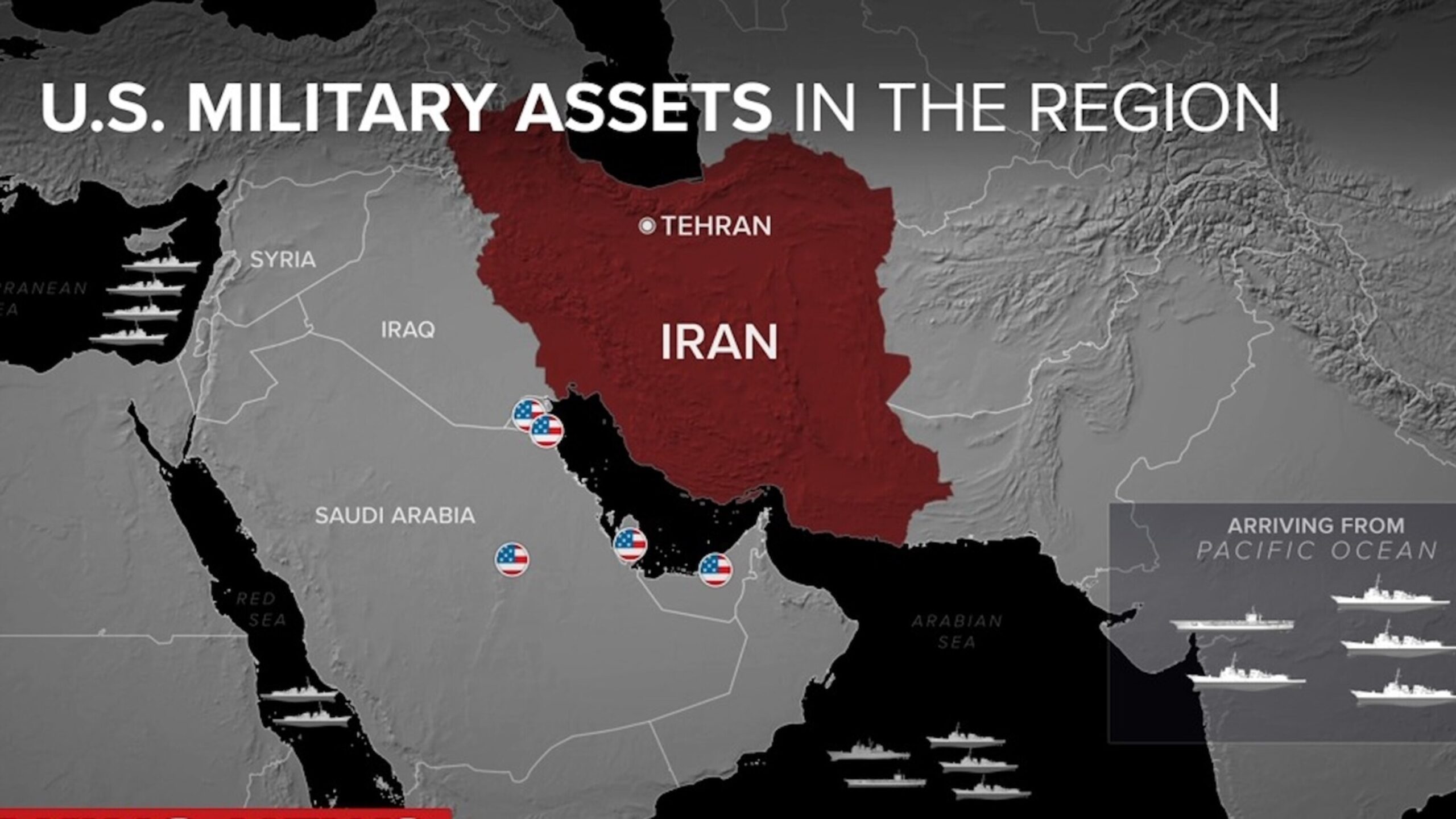
On June 23, 2025, Iran launched a missile attack on the Al Udeid Air Base in Qatar, a significant US military installation in the Middle East. This retaliatory strike was in response to US airstrikes on Iranian nuclear facilities, escalating tensions in an already volatile region. The Iran-Qatar conflict has drawn global attention due to its implications for regional stability, US-Iran relations, and Qatar’s sovereignty. This article provides a detailed analysis of the event, its causes, consequences, and broader geopolitical context.
Background of the Iran-Qatar Conflict
US Strikes on Iranian Nuclear Sites
The Iran-Qatar conflict began to escalate when the US conducted airstrikes on three Iranian nuclear facilities on June 21, 2025. These strikes, executed by B-2 stealth bombers, targeted Iran’s nuclear program, which the US and Israel have long viewed as a threat to regional security. The US justified the attack as a preemptive measure to curb Iran’s nuclear ambitions, with President Donald Trump emphasizing the complete destruction of the targeted sites.
- Key Event: US B-2 bombers dropped 30,000-pound bunker-buster bombs on Iranian nuclear sites.
- Iran’s Response: Iranian officials, including Supreme Leader Ayatollah Ali Khamenei, vowed retaliation, stating that Iran would not tolerate violations of its sovereignty.
Iran’s Retaliatory Strategy
Iran’s missile attack on the Al Udeid Air Base was framed as a direct response to the US strikes. The Islamic Revolutionary Guard Corps (IRGC) described the attack as a “powerful and devastating” operation named “Annunciation of Victory.” The Iran-Qatar conflict intensified as Iran sought to demonstrate its military resolve while carefully calibrating its response to avoid a full-scale war.
Details of the Attack on Al Udeid Air Base
The Target: Al Udeid Air Base
The Al Udeid Air Base, located 20 miles southwest of Doha, is the largest US military base in the Middle East, housing approximately 10,000 US troops. It serves as the forward headquarters for US Central Command (CENTCOM) and hosts the Combined Air Operations Center, which oversees air operations across the region.
- Strategic Importance: Al Udeid is vital for US operations against ISIS, as well as logistical support for conflicts in Iraq and Afghanistan.
- Qatar’s Investment: Qatar has invested over $8 billion in upgrading the base, strengthening its role in regional security.
The Missile Attack
Iran launched a barrage of short- and medium-range ballistic missiles at Al Udeid on June 23, 2025. Reports on the number of missiles vary: Iran claimed six, the US reported 14, and Qatar confirmed 19. Qatar’s air defenses, supported by US Patriot missile batteries, intercepted all but one missile, which caused minimal damage and no casualties.
- Iran’s Advance Warning: Iran notified Qatari and US authorities hours before the attack, aiming to minimize casualties and signal a desire to de-escalate.
- Visual Impact: Witnesses in Doha reported loud explosions and bright flashes as air defense systems engaged the missiles.
Qatar’s Response and Regional Reactions
Qatar’s Condemnation
Qatar strongly condemned the attack, labeling it a “flagrant violation” of its sovereignty and airspace. The Qatari Foreign Ministry, through spokesperson Majed Al Ansari, emphasized that the Iran-Qatar conflict threatened regional stability. Despite the advance warning, Qatar reserved the right to respond proportionally under international law.
- Airspace Closure: Qatar temporarily closed its airspace before the attack, citing regional security concerns.
- Public Safety: No casualties were reported, and Qatar’s Ministry of Interior declared the situation stable, lifting shelter-in-place orders shortly after.
Regional and International Reactions
The Iran-Qatar conflict prompted varied responses across the Middle East and beyond:
- United States: President Trump described the attack as “very weak” and thanked Iran for providing advance notice, which prevented loss of life. He expressed hope for de-escalation and a ceasefire.
- Israel: Israel, a key player in the broader conflict, conducted simultaneous strikes on Iranian targets, including a Tehran prison, escalating tensions further.
- Other Gulf States: Bahrain, Kuwait, and the UAE closed their airspaces temporarily, while Iraq warned of a potential broader confrontation.
Focus Key: Iran-Qatar Conflict
Geopolitical Implications of the Iran-Qatar Conflict
Escalation Risks
The Iran-Qatar conflict highlights the fragile balance of power in the Middle East. Iran’s decision to target a US base on Qatari soil, despite its diplomatic ties with Qatar, underscores the complexity of regional alliances. Qatar’s role as a mediator in conflicts, such as between Israel and Hamas, may be strained by this incident.
- Iran’s Strategy: By targeting Al Udeid, Iran aimed to assert its military capabilities without provoking a full-scale US response.
- US Policy: The US seeks to avoid a wider war, with Trump emphasizing diplomacy and a potential ceasefire.
Economic Impact
The Iran-Qatar conflict briefly disrupted global markets, particularly oil prices. Crude oil prices dropped 7% after the attack, as fears of Iran closing the Strait of Hormuz—a critical oil trade route—subsided. The limited nature of the attack reassured markets that energy supplies would remain stable.
Iran’s Motivations and Strategic Calculations
Retaliation vs. De-escalation
Iran’s attack was carefully calibrated to balance retaliation with restraint. By targeting a military base far from civilian areas and providing advance warning, Iran sought to save face domestically while avoiding a broader conflict. The Iran-Qatar conflict reflects Iran’s broader strategy of projecting strength without triggering a devastating US or Israeli response.
- Domestic Pressure: Iran’s leadership, including Ayatollah Khamenei, faced domestic calls to respond to US aggression.
- Regional Influence: The attack reinforces Iran’s image as a regional power capable of challenging the US.
Qatar’s Delicate Position
Qatar’s close ties with both the US and Iran place it in a precarious position. The Iran-Qatar conflict tests Qatar’s ability to maintain neutrality while hosting a major US base. Qatar’s condemnation of the attack, coupled with its role in brokering a ceasefire, highlights its diplomatic balancing act.
US and Allied Preparations
Pre-Attack Measures
The US and Qatar took significant precautions before the attack, indicating awareness of Iran’s intentions. Satellite imagery showed that most US aircraft were moved from Al Udeid’s tarmac days before, likely in anticipation of retaliation. The US Embassy in Doha issued a shelter-in-place order, and Qatar closed its airspace hours before the missiles were launched.
- Force Protection: The US dispersed aircraft and bolstered defenses at Al Udeid and other regional bases.
- Allied Coordination: Qatar’s air defenses worked closely with US forces to intercept the missiles.
Ceasefire Efforts and Future Outlook
Trump’s Ceasefire Announcement
On June 24, 2025, President Trump announced a ceasefire between Iran and Israel, brokered with Qatar’s assistance. While Iran’s Foreign Minister Abbas Araghchi indicated a willingness to halt operations if Israel reciprocated, Israel had not officially confirmed the ceasefire at the time. The Iran-Qatar conflict may have paved the way for renewed diplomatic efforts to stabilize the region.
- Qatar’s Role: Qatar’s Prime Minister Sheikh Mohammed bin Abdulrahman bin Jassim Al-Thani played a key role in securing Iran’s agreement.
- Challenges Ahead: The ceasefire’s success depends on Israel’s response and Iran’s adherence to its commitments.
Long-Term Implications
The Iran-Qatar conflict underscores the need for diplomatic solutions to prevent further escalation. The US, Iran, and Israel must navigate a complex web of alliances, military capabilities, and economic interests to avoid a broader war. Qatar’s mediation efforts could prove critical in de-escalating tensions.