Understanding the US Tariff Hike on Indian Exports
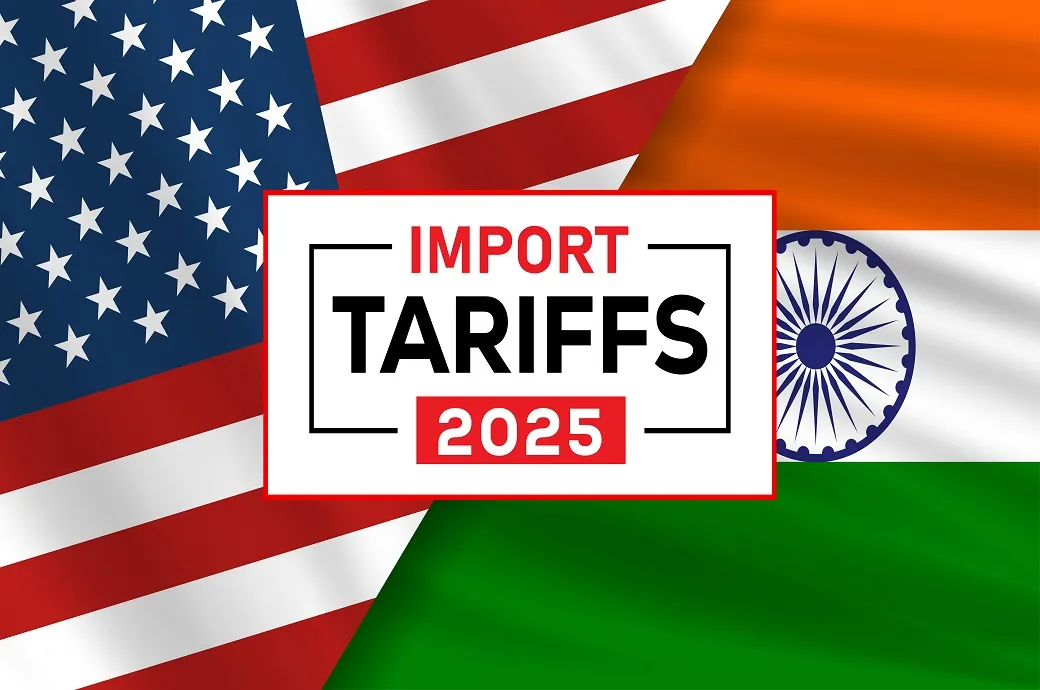
In 2025, the United States implemented a significant tariff increase on Indian goods, raising concerns about its impact on bilateral trade. Announced on April 2, 2025, by the Trump administration, the tariff increase initially set a 26% levy on Indian exports, later adjusted to 25% effective August 1, 2025. This policy seeks to reduce the $45.7 billion US trade gap with India in 2024 and foster balanced trade relations. The tariff increase affects key Indian sectors, reshaping trade dynamics and prompting India to strategize for economic resilience.
Why the Tariff Increase Matters
The tariff increase is part of the US “America First” trade policy, designed to reduce trade imbalances and boost domestic manufacturing. India, as the US’s largest trading partner with $131.84 billion in bilateral trade in 2024-25, faces significant challenges due to this policy shift. The tariff increase targets sectors like electronics, textiles, and automobiles, potentially raising costs for US consumers and affecting India’s export competitiveness. This move also reflects geopolitical tensions, including concerns over India’s energy and defense ties with Russia.
Key Sectors Impacted by the Tariff Increase
The tariff increase disproportionately affects certain Indian industries. Below is a detailed look at the sectors most impacted:
- Electronics and Technology: India is a major exporter of smartphones, particularly iPhones, which account for 44% of US iPhone imports in Q2 2025. The tariff increase could raise prices for US consumers, potentially disrupting India’s ambitions to expand electronics manufacturing.
- Textiles and Apparel: With 28% of India’s textile exports valued at $9.6 billion heading to the US, the tariff increase threatens competitive pricing, forcing manufacturers to seek alternative markets or absorb costs.
- Automobiles and Auto Parts: Facing a 25% tariff, this sector could see $1-5 billion in exports affected, impacting India’s automotive industry growth.
- Gems and Jewelry: The US represents over 30% of India’s worldwide jewelry market, and the tariff increase could hinder supply chains and weaken market competitiveness.
- Pharmaceuticals: While currently exempt, this sector remains vulnerable as the US reviews potential levies, given India supplies 50% of America’s generic drugs.
Exemptions and Strategic Considerations
Certain sectors, like pharmaceuticals and semiconductors, are currently exempt from the tariff increase, providing temporary relief. India’s lower tariff rate compared to China (54%) and Vietnam (46%) positions it favorably for US importers seeking cost-effective alternatives. However, the threat of additional penalties, particularly related to India’s Russian oil and military purchases, adds uncertainty.
India’s Response to the Tariff Increase
India is actively navigating the tariff increase through diplomatic and economic strategies:
- Trade Negotiations: India and the US are working toward a Bilateral Trade Agreement (BTA) to reduce tariffs and enhance market access. Negotiations, intensified since February 2025, aim to double bilateral trade to $500 billion by 2030.
- Diversifying Markets: To mitigate the impact of the tariff increase, India is exploring alternative export markets and boosting domestic production through incentives in semiconductors, renewable energy, and aerospace.
- Retaliatory Measures: India has reserved the right to impose retaliatory duties under WTO norms, though immediate retaliation is unlikely as it prioritizes diplomacy.
- Strengthening Domestic Industries: Enhanced incentives for sectors like semiconductors and aircraft components aim to attract US investment and reduce reliance on exports.
Economic Impact on India
The tariff increase is projected to have a modest macroeconomic impact, potentially reducing India’s GDP growth by 0.2%, from 6.6% to 6.4%. However, sector-specific challenges could lead to supply chain disruptions and reduced competitiveness against countries like Vietnam (20% tariff) and Korea (15% tariff). India’s consumer-led economy, with exports accounting for only 20% of GDP, provides some resilience compared to export-heavy economies like Vietnam (87% of GDP).
Geopolitical Context of the Tariff Increase
The tariff increase is not solely economic but also tied to geopolitical strategies. The US has cited India’s purchases of Russian oil and military hardware as a point of contention, with potential penalties under the proposed Russian Sanctions Act, 2025, threatening up to 500% duties. This underscores the complex interplay between trade and international relations, as India balances strategic autonomy with economic interests.
Global Trade Dynamics
The tariff increase is part of a broader US policy imposing tariffs on 68 countries, ranging from 10% to 41%. For instance, China faces a 54% total tariff, while Canada contends with 35%. India’s 25% tariff, though significant, is lower than some competitors, offering a comparative advantage. However, the global trade landscape remains volatile, with ongoing legal challenges, such as a US Federal Court ruling the tariffs unlawful on May 28, 2025, only for an Appeals Court to reinstate them.
Opportunities Amid the Tariff Increase
Despite challenges, the tariff increase presents opportunities for India:
- Manufacturing Hub Potential: India’s lower tariffs compared to China and Taiwan make it an attractive alternative for US importers, especially in electronics and textiles.
- Service Sector Stability: India’s IT and service sectors, such as TCS and Infosys, remain unaffected by the tariff increase, providing economic stability.
- Investment Incentives: Enhanced production-linked incentives in high-tech sectors could attract US firms seeking to diversify supply chains away from China.
Long-Term Strategies for India
To counter the tariff increase, India must focus on:
- Diversifying Export Markets: Expanding trade with Europe, Africa, and ASEAN countries to reduce US market dependence.
- Boosting Domestic Manufacturing: Leveraging initiatives like Make in India to enhance self-reliance and reduce export vulnerabilities.
- Strengthening Trade Diplomacy: Prioritizing the BTA to secure favorable terms and mitigate future tariff hikes.
- Investing in Technology: Scaling up semiconductor and renewable energy sectors to align with global supply chain shifts.
Conclusion: Navigating the Tariff Increase
The tariff increase poses challenges for India’s export-driven sectors but also opens doors for strategic realignment. By leveraging its consumer-led economy, diversifying markets, and strengthening trade negotiations, India can mitigate the impact of the tariff increase. The US-India trade relationship, valued at $131.84 billion in 2024-25, remains critical, and a balanced BTA could ensure mutual benefits. As global trade dynamics evolve, India’s ability to adapt will determine its economic resilience in the face of the tariff increase.